Conflict of darkness builds guide
Build basics

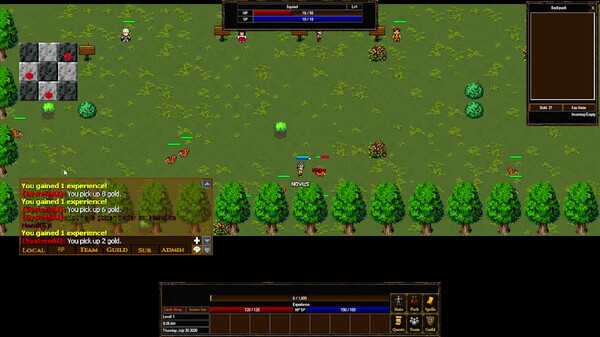
Conflict of Darkness is a classic 2D MMORPG where darkness threatens to consume the realm, and your build determines how well you survive quests, monster battles, and guild content. Since the game is in Early Access and saves anytime, you have room to experiment, but a clear plan still saves you time and resources.
A build in Conflict of Darkness is more than a stat spread. It is the combination of your role, your weapon choice, and the skills you level first. Before you commit, decide whether you want to quest solo, join guilds for group content, or focus on online PvP, because each activity rewards a different setup.
- Quests and monster grinding: favor sustained damage and self-healing.
- Group and guild play: favor supportive skills and survivability.
- PvP: favors mobility, burst skills, and defensive cooldowns.
Write down your chosen role before spending skill points. Respec costs can slow your early progression, so a small plan at character creation beats fixing mistakes later.
Combat styles and role selection
The combat style you pick shapes every part of your build. The classic 2D MMORPG design of Conflict of Darkness means positioning matters, so your role should match how you actually like to play.
- Melee bruiser: gets in close, trades hits, and relies on armor and health. Good for solo questing and holding aggro in groups.
- Ranged damage: keeps distance from monsters and picks targets safely. Strong in PvP and group PvE, but weaker if you get surrounded.
- Support or healer: keeps allies alive during guild battles and harder monster fights. Slower to level solo, but always in demand.
- Hybrid: mixes damage with a secondary utility skill, such as a heal or defensive buff. Flexible for solo play, but less powerful at one specific job.
Remember that Conflict of Darkness lets you play at your own pace, so there is no pressure to rush into a role you dislike. Test a style in the early levels, then commit when you understand how skills actually behave in combat.
Early-game builds
In the opening hours, your priority is simple:kill monsters efficiently and complete quests without burning through consumables. A balanced early build keeps your damage high enough to end fights quickly while staying durable enough to survive mistakes.
Recommended early setup:
- Put most points into your main damage stat so fights end fast.
- Keep a secondary investment in health or defense to reduce downtime.
- Pick one damage skill and one utility skill, then level those two consistently.
- Save skill points instead of spending them the moment you earn them.
Because the minimum PC requirements are modest, load times are fast, and the game supports save-anytime play. That means you can quickly test a build, save, and reload if an experiment fails.
Mid-game options
Once you reach the mid-game, monster packs get denser and quests start sending you into areas where darkness-themed enemies appear in groups. This is the point where a single damage skill stops being enough.
Mid-game builds should add area damage or a crowd control skill to handle multiple monsters at once. If you play ranged, invest in a skill that creates distance between you and melee enemies. If you play melee, a small self-heal or damage reduction skill becomes more valuable than raw attack power.
This is also the stage where joining a guild changes your build needs. Group content rewards players who bring at least one useful team skill, even if their main role is damage. A single buff or heal can make the difference in a chaotic monster fight.
Weapons and skill synergies
The best builds in Conflict of Darkness pair weapons and skills that reinforce the same playstyle.Synergy means each piece of your loadout makes the other pieces stronger.
- Fast weapons pair well with skills that trigger on hit or build up a resource over time.
- Slow, heavy weapons pair well with single big hits and skills that weaken enemy defense first.
- Ranged weapons pair with movement skills and damage-over-time effects that work while enemies chase you.
- Utility skills that heal or shield work best on builds that can keep enemies away from you.
When you unlock a new skill, check whether it improves your existing combo or starts a second combo. Spreading points across unrelated skills usually makes a build feel weak. Focus on a small rotation of skills that flow together in combat.
A classic 2D MMORPG where darkness threatens to consume the realm. Complete quests, master powerful skills, join guilds, battle monsters and uncover the secrets of a world on the brink of destruction.
That promise of mastering skills is the core of building well: mastery comes from a tight loadout, not from collecting every option.
Solo vs group builds
Your build should reflect who you play with. Conflict of Darkness supports both co-op and online multiplayer, but a build that shines solo can feel weak in a group, and a group support build can make solo questing painfully slow.
Solo builds need self-sufficiency:
- Damage that kills monsters before they surround you.
- One self-heal or defensive recovery option.
- No reliance on other players for buffs.
Group builds need contribution:
- At least one skill that helps allies, such as healing, shielding, or weakening enemies.
- Enough survivability to hold position during a fight.
- Clear role identity so the group knows what you provide in PvP and PvE.
If you switch between solo questing and guild nights, keep one damage skill and one support skill maxed. You lose some raw power, but you stay useful in both situations.
Progression and respec tips
Conflict of Darkness is an Early Access title in development, so balance changes can shake up the meta. Treat your first build as a learning tool and keep a few spare skill points for adjustments after major updates.
- Spend only what you need to clear current quests, and bank the rest.
- Before respeccing, write down which skills you actually use in a normal fight.
- After any update, re-read your skills because numbers and effects may change.
- If you mostly play solo, prioritize self-healing; if you play PvP, prioritize defense against burst damage.
Because the game only needs 50 MB of storage and runs on modest hardware, you can also maintain multiple characters without heavy system demands. A second character is a low-cost way to test a completely different role instead of constantly respeccing one character.
Finally, don't forget that save-anytime support means you can experiment with risky skill choices. Save before a difficult quest, try your new build in real combat, and reload if the setup underperforms. That is the fastest way to learn what works in Conflict of Darkness without wasting progression.