Conflict of darkness gameplay guide
Core Gameplay Loop

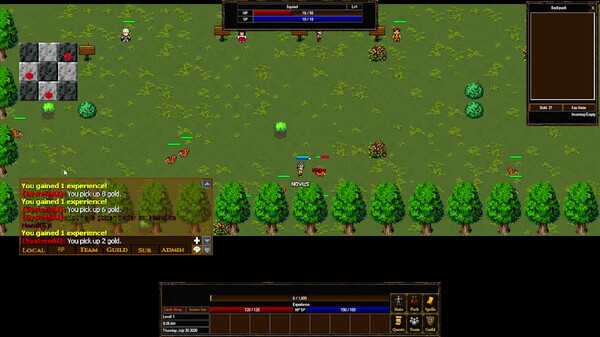
Conflict of Darkness is a classic 2D MMORPG built around a simple, repeatable loop: take on quests, battle monsters, master skills, and uncover the secrets of a realm being consumed by darkness. If you have played older top-down online RPGs, the rhythm will feel familiar right away, which makes it easy to settle into regardless of whether you are a returning genre veteran or a first-time MMO player.
The day-to-day gameplay loop follows a steady pattern:
- Accept quests from NPCs to get direction on where to go and what to hunt.
- Battle monsters in the overworld or instanced areas to gain progress and loot.
- Master powerful skills by using them consistently, so your combat toolkit grows as you do.
- Join a guild to unlock group content and a reliable pool of players for harder fights.
- Return to town to turn in quests, restock supplies, and prepare for the next expedition.
Because the game is currently in Early Access and still coming soon, expect the loop to expand over time. The core structure is already built around classic MMO hooks: questing, combat, skills, and guild play are the four pillars that everything else hangs on.
Combat and Exploration
Combat in Conflict of Darkness is real-time, 2D, and monster-focused. You will spend most of your playtime moving between threat zones, pulling monsters, and managing your skill cooldowns. The game supports both keyboard-only and mouse-only control schemes, so you can tailor your setup to whatever feels most comfortable for long sessions.
Exploration is tied directly to the darkness theme. Areas become more dangerous as you push further from safe zones, and the monsters you encounter scale in difficulty to match the region. Keep a few practical habits in mind while out in the field:
- Learn monster positioning before committing to a fight, since 2D MMO combat often punishes overpulling.
- Keep your best skills ready for elite monsters and quest bosses rather than wasting them on trash packs.
- Explore with a party when possible, since the game supports both co-op and full multi-player sessions.
- Watch the edges of the screen for ambushes; darkness-claimed zones can hide threats until the last second.
The game is playable without timed input and lets you save anytime, so you can pause your exploration run, step away, and pick up exactly where you left off without losing progress.
Progression Systems
Character growth in Conflict of Darkness comes from the two classic MMO tracks:quest completion and skill mastery. Quests push you through the world and reward you with the experience and resources needed to take on tougher content, while your skills improve with repeated use, making your combat style stronger over time.
Your progression priorities should shift as you play:
- Early on: focus on completing every quest in a zone before moving on, since quest rewards outpace random monster drops.
- Mid-session: rotate between questing and grinding so your skill levels stay close to your character level.
- Always: check for Steam Achievements tied to milestones, as they give you clear progress markers to aim for.
The game is designed to be playable at your own pace with no forced time pressure. That means you can grind for hours or log in for a single quest chain, and either way you are making meaningful forward progress.
Guilds and Multiplayer
Guilds are a central part of the Conflict of Darkness experience. With full multi-player support,online co-op, and PvP options, the game expects you to spend a good portion of your time alongside other players. Joining a guild early is one of the smartest moves you can make, even if you are normally a solo player.
A good guild gives you several practical advantages:
- Group questing for faster clears and safer exploration in high-level monster zones.
- PvP backup, since online PvP is far less punishing when you have allies who can back you up.
- Knowledge sharing about skill builds, hidden quests, and the lore behind the darkness consuming the realm.
- Consistent co-op partners for repeatable content that is tedious alone.
If you prefer solo play, the game still accommodates you, but keep in mind that later content will likely assume you have access to a group. Joining a guild does not force you to group constantly, it just gives you the option when you need it.
Mid-Game Goals
By the mid-game, you should have a solid grasp of your core skills, a reliable questing route, and an active guild. This is the point where the classic MMO structure really opens up and you stop chasing the next level and start chasing bigger goals.
Set yourself up for the late-game by working toward these objectives:
- Master your primary skill line before branching into secondary skills, so you have a strong combat identity.
- Clear every quest chain in the zones you have unlocked, because mid-game quest rewards often unlock access to new regions.
- Participate in guild group runs to learn the tougher monster mechanics and build up your supply of rare materials.
- Test the PvP scene with your guild to see if you enjoy open combat; mid-game is the right time to learn before the stakes get higher.
- Uncover the secrets of the darkness through exploration and lore-focused quests, since the world is built around that mystery.
The transition from mid-game to late-game in a classic 2D MMORPG comes down to preparation. A well-rounded character with mastered skills, a dependable guild, and map knowledge will have a far smoother time once the hardest content opens up. Since the game is still in Early Access, these mid-game goals also give you a clear path to revisit as new content is added.